
Sunday, June 1, 2025

Important Parameters of Biochar Quality and Biochar Standards

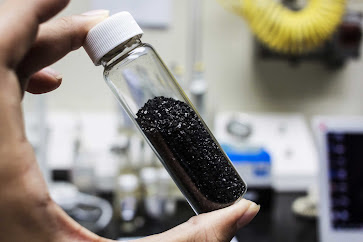
The physical chemical properties (characteristics) of biochar are parameters of its effectiveness in its various different applications. Factors that affect the physical chemical properties of biochar are raw materials (feedstock), production operating conditions (production process), and treatment before and after processing (pre- or post-processing). And because biochar has different physical chemical properties, laboratory analysis is needed to predict the effectiveness of the biochar. Specifically, certain applications will require certain physical chemical properties so that the selection of the appropriate biochar product is very important. For example, biochar with a high surface area has great potential to absorb environmental toxins, metals and nutrients. This is so that biochar with these characteristics is suitable for environmental remediation applications. And because biochar works on various different contaminants, the biochar needs to be modified for a specific application.

The chemical properties of biochar that are usually used as references are organic carbon (Corg) and carbonates (as CaCO3), H/C ratio and fixed carbon (FC), ash content, and volatile matter (VM). While the physical properties that are usually used as references are bulk density, surface area and particle size distribution. And because the main application of biochar is for agriculture including plantations and forestry, namely to increase the productivity of agricultural, plantation and forestry products by increasing soil fertility, the parameters related to soil fertility are also important references. These parameters are nitrogen, pH & liming, liming equivalent, electrical conductivity, total potassium (K), total phosphorus (P) and metal.

Although biochar has multiple benefits both for improving soil fertility and also climate solutions in the form of carbon sequestration / carbon sink, so biochar products can be selected according to usage priorities. Optimizing the benefits between the two important things is certainly the best choice. The perspective or point of view for optimizing benefits is very dependent on a person's profession or expertise, for more details read here. Parameters in the form of organic carbon (Corg), H / C ratio and fixed carbon (FC) are mainly related to climate solutions, namely carbon sequestration / carbon sink or also commonly called BCR (biochar carbon removal) which can get compensation in the form of carbon credit. To be able to get carbon credit, biochar producers must follow the methodology created by the carbon standard institution (Puro Earth, Verra, European Biochar Certificate), so that BCR can be quantified and sold on the carbon market (currently in VCM = voluntary carbon market).

Meanwhile, regarding the priority in soil fertility, the biochar product made must come from a source rich in nutrients or plant nutrients such as from livestock manure. Biochar from livestock manure tends to have lower organic carbon (Corg) than biochar made from wood. Biochar with high ash content such as that from livestock manure usually also has a higher liming equivalent than biochar from wood. High volatile matter (VM) is also beneficial for soil fertility. VM containing gases such as carbon monoxide and methane, organic hydrocarbons, acids and tar and a number of inorganic compounds can be an important food source for soil microbes. A number of studies also show that biochar from livestock manure has a high portion of phosphorus (P) so that it can meet the P needs of plants, as well as its potassium / potassium (K) content.

Transactions or buying and selling of biochar (physical) or BCR credit require certain quality standards. Without an agreed standard, it will certainly be very difficult to determine a meeting point between the seller and the buyer. There are a number of institutions that develop standards for biochar, including the European Biochar Certificate (EBC), Organic Material Review Institute (OMRI), USDA Certified Bio-based Product and World Biochar Certificate (WBC). To obtain quality parameters or specifications of biochar that are in accordance with its use, a certain type of laboratory is needed. Not many laboratories can conduct this biochar test. Some laboratories that can do it include compost, soil, coal and activated carbon analysis laboratories. With a number of these technical supports, of course, the development of biochar for the future will be easier, especially with the various real benefits of biochar and the increasing public awareness of environmental sustainability issues, especially climate issues. 

Food Estate or Biochar? Indonesia becomes the Champion of Global Climate Solutions?

Currently, there are millions of hectares of land in Indonesia that are in dire need of biochar, namely dry land 122.1 million ha; post-mining land 8 million ha; critical land 24.3 million ha; total around 154.4 million ha. Meanwhile, the potential raw materials for biochar production are also abundant (agricultural, plantation and forestry waste) such as dry empty fruit bunch of palm oil around 30 million tons/year, baggase 2 million tons/year, corn cobs 5 million tons/year, cassava stems 3 million tons/year, waste wood 50 million tons/year, rice husks 15 million tons/year, cocoa shells and so on. With biochar, agricultural productivity will increase from an average of around 20% to even 100%.

If applied on a macro or national scale, say with a 20% increase in production, for example, rice production will increase to 36 million tons/year from the previous 30 million tons/year, corn will increase to 18 million tons/year from the previous 15 million tons/year, crude palm oil or CPO will increase to 60 million tons/year from the previous 50 million tons/year. This will save land use so that the opening of forest land for food crops and (bio)energy such as food estates may not be necessary or at least slow it down.

For example, Indonesia's current CPO production reaches around 50 million tons per year with a land area of ​​around 17.3 million hectares. This means that the average CPO production per hectare is only 2.9 tons or per million hectares produces 2.9 million tons. If biochar is used and there is a 20% increase, it means there is an increase of 10 million tons of CPO per year and this is equivalent to saving around 3.5 million hectares of land, or the use of biochar will slow down forest clearing for palm oil plantations.

There is a rough calculation that with an investment of 10 million US dollars, approximately 200,000 tons of biochar produced with more than 400,000 carbon credits will be produced over a period of 10 years. And for example, with a selling price of biochar of 200 dollars per ton and a carbon credit of 150 dollars per unit (per ton of CO2), then within 10 years, the income will be almost 10 times the investment or it is estimated that in less than 2 years the initial investment has been returned (payback period). Carbon credits sellers or biochar producers also try to get sales contracts for 5-10 years.

Of course when the price of biochar is higher and / or its carbon credit then of course the return on investment will be faster. And that does not include the utilization of liquid and gas products and excess heat from pyrolysis which also have economic potential that is no less interesting. 

Green Economy in the Cement Industry Part 8 : A Comprehensive Approach and the Role of Biomass

Efforts to reduce or lower CO2 in the cement industry continue to develop with various methods to achieve adequate targets. The global target is to achieve Net-Zero Emissions by 2050 while intermediate targets depend more specifically on the cement industry itself, for example, there is a cement industry that targets to reduce its emissions by 35% with a 1990 baseline in 2025 and then to more than 40% in 2030. This can practically be translated into a reduction in CO2 emissions in cement production from around 800 kg CO2/ton of cement, to 520 kg/ton of cement in 2025 and less than 475 kg/ton of cement in 2030. To achieve this target, the industry must create a roadmap that refers to the latest climate solutions in the cement industry, so that it is easier to achieve based on science (Science-Based Targets / SBT).

While the motivations for reducing CO2 emissions are similar across the world, progress is not uniform across regions. Europe is the fastest region to move forward due to its readiness, supported by a number of factors, including:
• Regulations that prioritize efficient resource use and promote a circular economy.
• Economic incentives to switch to cleaner fuels, which in many cases result in negative energy costs.
• Greater market acceptance of blended cement and consumer demand for low-carbon products.
• Significant government support for research and testing of cleaner technologies.
• Carbon emissions regulations, which result in a predictable carbon price.

Efforts to reduce CO2 emissions in cement plants directly or directly related to cement production are focused on three things, namely the use of alternative fuels or renewable energy or low-carbon fuels, reducing emissions from the calcination process and the use of cement additives (supplementary cementious material / SCM) or lowering clinker factor. While indirect efforts can be done by using electricity from renewable energy for the operation of the cement plants.

Technically or technologically in achieving the target of reducing CO2 emissions in the cement industry, the alternative energy sector or more specifically biomass fuel is in third place. This is because the largest source of emissions in cement plants or around 60% comes from the calcination process (clinker production), while combustion or related to fuel is only around 40%. This is so that carbon capture or CCS (Carbon Capture and Storage) in an effort to achieve emission targets is ranked first, then clinker substitution with additives or SCM (Supplementary Cementious Material) is in second place, and the use of alternative fuels including biomass is in third place. CCS technology is still expensive so that its implementation is still constrained, so that in practice it has not been done much but clinker substitution and the use of alternative energy including biomass are easier to do, so many cement plants have done it.

If efforts to become net zero emissions in coal-fired power plants can be done by converting their fuel to 100% biomass, then in cement plants it cannot be done by simply replacing the fuel with biomass because the main source of carbon emissions in cement plants is in their clinker production. So if a cement plant does this, the percentage of CO2 that can be reduced is only a maximum of 40%, meaning that CO2 emissions from the calcination process (clinker production) of 60% still occur. The use of clinker for cement production can be reduced so that CO2 emissions from clinker production can be reduced. That is why in cement plants the use of SCM for clinker substitution, the ratio or portion must also be increased. But of course it is impossible to reduce clinker production to zero or eliminate the calcination process and replace it entirely with SCM (lowering clinker factor) to reduce the 60% CO2 emissions.

This is so that the higher the ratio of clinker to cement produced (C/S), the greater the CO2 emissions produced and vice versa. China has the lowest ratio of clinker to cement (C/S) in the world today, which is 0.58, while a number of areas in other countries have the highest C/S ratio of up to 0.89, namely in the United States. While in Europe 0.77, then in India 0.68, in Latin America 0.71 and the global average is 0.76. It can also be understood that China uses SCM with the highest portion compared to countries in the world. That is why to achieve net zero emissions in cement plants, CCS (carbon capture and storage) equipment need to be added.

About CCS (carbon capture and storage) a number of innovations are being developed so that this technology is cheaper and easier to apply to cement plants. This also includes increasing the efficiency of CO2 capture, the use of new generation non-aqueous solvents, and cheaper modular technology. The transformation of captured CO2 into new marketable products is also the next focus.

The use of alternative fuels with high biomass content is highly recommended for cement plants to reduce CO2. But in reality, there are usually still a number of obstacles during its implementation so that it is even difficult to increase the ratio. These obstacles include the availability, quality and quantity of biomass waste, logistics and supporting infrastructure, market dynamics, the economics of the price of biomass waste-based fuels and a number of limiting technical factors related to the characteristics of the biomass fuel. A number of agricultural or plantation biomass wastes such as rice husks, palm kernel shells, cashew nut shells and olive seeds have also been used as biomass fuels in cement plants. Obtaining a supply of biomass fuel in sufficient volume, standard quality and continuous / sustainable is very important for cement plants to support the reduction of CO2 emissions. And basically there is no choice for cement plants to avoid climate problems, so what must be done is to respond to it with real action.  

Sunday, April 27, 2025

Biochar: Priority for Soil Fertility or Climate Solution First?

Perspective or point of view on biochar is greatly influenced by a person's expertise, while the driving force of its application is greatly influenced by factors that are the problems of the area or region. For example: climate scientists see soil improvement from biochar applications as an additional benefit (co-benefit). For soil scientists or farmers who use biochar as a soil amendment because of their practical experience that has a positive effect on soil fertility and the economic aspects of their farming, while climate benefits become additional benefits (co-benefits). And in reality the accumulation of benefits (including economic) and the effectiveness of providing environmental solutions will accelerate the use of biochar in the real world.

The photo taken from here

To maximize the benefits of biochar applications, the quality of biochar becomes very important, or in other words the physical and chemical properties of biochar control the level of its effectiveness for various applications. These properties are determined by factors, namely, raw materials, process conditions and before and after the production process. This is so that the biochar produced has different properties so that laboratory analysis is a method used to predict the effectiveness of the biochar. And also to qualify for certain incentives that apply in certain countries, the biochar produced can also meet certain criteria, for example the standards made by the IBI (International Biochar Initiative). Or to get carbon credit or BCR (biochar carbon removal) credit that has been applied internationally also requires biochar with certain criteria and quality, and for that biochar production must follow a certain methodology according to international carbon standard institutions such as Puro earth, Verra, and European Biochar Certificate (EBC). To get quality parameters or biochar specifications that are in accordance with their use, a certain type of laboratory is needed. Not many laboratories can do this biochar test. Some laboratories that can do this include compost, soil, coal and activated carbon analysis laboratories.

Currently the main and long-standing focus, namely the use of biochar for agriculture, plantations and forestry is to increase productivity / yield. However, in fact the added value that biochar can offer in its application in the soil, especially in cultivation, not only includes increasing crop yields, but also preventing the loss of humus in the soil, preventing nitrate leaching, and increasing water storage capacity to increase plant resistance to drought and its resilience to the climate crisis. As for how the fastest entry point for the biochar industry, for more details read here.

Bioeconomy: Carbon Neutral Economy (Wood Pellets & PkS) VS Carbon Sink Economy (Biochar)

Market readiness and availability are important factors for the growth and development of a business in general and biomass-based businesses in particular. And globally according to Hawkin Wright, predicting wood pellet sales will reach the highest among other biomass fuels, which is more than 27 million tons/year in 2025. While FutureMetric also predicts that the market for wood pellets for industry (industrial pellet fuel) can reach 55 million tons in 2030. Thus the need for wood pellets will continue to increase by an average of more than 5.5 million tons per year since 2025, so too for wood pellet production. In addition, PKS (palm kernel shell) are also an alternative biomass fuel besides wood pellets and PKS is the main competitor of wood pellets in the global biomass fuel market. But compared to wood pellets, global PKS trade is relatively small, estimated at only 5 million tons/year. Indonesia is the largest producer of PKS in the world because it is comparable to the area of  palm oil plantations and as a producer of palm oil / CPO or the owner of the largest oil palm plantation in the world.

Meanwhile, biochar, specifically for Europe alone, is estimated to have 51 new biochar factories or a total of 220 units, with biochar production estimated to be 115,000 tons per year. And global biochar production in 2023 is estimated to reach 350 thousand tons or equivalent to 600,000 carbon credits and is expected to continue to increase. And in 2025, the biochar industry is predicted to grow more than 5 times compared to 2023. The existence of carbon credits is one of the biggest motivations for biochar production. With the existence of carbon credits, there is a significant surge in biochar production from before. As an illustration, in 2023, this biochar carbon credit will make the largest contribution, namely 90% of carbon removal in the voluntary carbon market according to data from CDR.fyi.

The main market or user of wood pellets (industrial pellet grade) are power plants that carry out cofiring with renewable fuels, namely biomass-based, especially wood pellets. The greater the cofiring ratio, the greater the need for wood pellets. With a capacity or size of hundreds or even thousands of MW of power plants, the need for wood pellets is also high even with a low cofiring ratio. The trend of coal-fired power plants to carry out cofiring is getting bigger and also the increase in their cofiring ratio, even a number of coal-fired power plants can switch to 100% using wood pellets (fulfiring). In addition, a number of biomass power plants, both 100% with wood pellets or PKS, have also been built and started operating. There is a global target that the portion of coal-fired power plants must decrease to 4% (from the current condition of around 30%) by 2030 and 0% by 2040 if the world wants to limit global warming to 1.5 degrees Celsius (2.7 degrees Fahrenheit) and prevent the occurrence of severe damage from the climate crisis. This is also what makes a number of coal companies in Indonesia develop renewable energy, especially wood pellets from energy plantations.

While biochar, although its market potential is also very large, the problem is that awareness is still low, so education and socialization still need to be improved. Like the market for biomass fuel in the form of wood pellets and PKS / palm kernel shells which are generally large companies (because they are also the largest CO2 emitters), to accelerate the biochar industry, a large capacity market or user is needed. Large farms and plantations as well as energy plantation forests or energy plantations are potential markets / large users of biochar. Likewise, post-mining reclamation lands that will be revegetated are also potential users / large markets for biochar. This is also related to the fact that a significant volume is needed to be able to produce adequate CO2 absorption volume (carbon sequestration / carbon sink). Meanwhile, from the agricultural or plantation side or application to the soil related to the use of biochar, so far, when considering the effects of biochar, the focus has only been on increasing crop yields. However, the added value that biochar can offer in its application in soil, at least in optimal agricultural systems, includes not only increasing crop yields, but also counteracting the loss of humus in the soil, preventing nitrate leaching, and increasing water storage capacity to increase crop resistance to drought and resilience to the climate crisis.

And basically both biomass fuel production such as wood pellets and carbon sink materials such as biochar will have a positive impact on the climate, even both can support each other such as if biochar is used for energy plantations and then wood products from the energy plantation are used for wood pellet production, more details read here. The use of renewable energy will reduce the concentration of CO2 in the atmosphere because it does not increase the concentration of CO2 or is carbon neutral, while biochar will reduce the concentration of CO2 in the atmosphere because it absorbs CO2 in the atmosphere in biomass which is then concentrated by pyrolysis to become biochar, or carbon negative. Even making a carbon sink, but not reducing the source of its emissions is a futile or irrelevant effort, more details read here. So bioeconomy with carbon neutral economy, namely biomass fuels such as wood pellets or PKS or carbon sink economy, namely with biochar, will be closely related to business readiness such as market / user aspects, raw materials for certain production capacities, raw materials and so on. These characteristics need to be considered carefully and comprehensively so as to produce optimal and sustainable profits.

Fastest Entry Point for Biochar Industry

When in the West, especially in Europe, biochar is seen primarily for climate mitigation, namely as carbon sequestration / carbon sink and compared with various similar efforts in carbon negative / negative emission technologies with compensation in the form of carbon credits or BCR (biochar carbon removal) credits, it is very different, especially in Asia and Africa. Biochar in both continents is mainly to increase soil fertility or repair damaged / degraded soils so that they can be more productive to produce agricultural food products. The different approaches are mainly motivated by the factors that influence it, namely especially in Europe when the problems of climate change, the environment, sustainability and global warming are more of their concern, then various efforts in line with that become important and relevant so that biochar is one of the solutions. While in Asia and Africa, the factor of meeting food needs is a more important concern.

Currently there are 6 NET (negative emission technologies) or carbon negative actions that can absorb CO2 from the atmosphere as in the diagram above. Basically, adequate scale or capacity is needed so that climate change mitigation efforts can run effectively and efficiently. The convenience, cost and additional benefits of the above technology applications will affect their implementation. Of the six NETs, ​​biochar has the fastest development, this is because biochar can meet the above factors. Scientific and public interest in Biochar began to grow in the early 2010s and has grown rapidly since then. The initial focus of biochar research was on terra preta (black earth) and soil improvement. And now it has expanded into various fields, including in the context of industry and construction.

The vast area of ​​degraded land reaching tens or even hundreds of millions of hectares in Indonesia can be improved by using biochar. Moreover, the potential for biomass waste that can be utilized is also very large, tens of millions of tons or even more and the need for food (even bioenergy) also continues to increase. Gradual and sustainable efforts to improve the land need to be started immediately. Soil improvement, as well as efforts to manage biomass waste, energy production and become a climate solution with NET are effective simultaneous efforts. This is the appeal of biochar so that it should be a leading program for various industries that are concerned with food and energy security, the environment, decarbonization, climate and sustainability. This is also so that forest clearing for food estates can be avoided if biochar is chosen as a solution. 

The question is how can this biochar immediately become a solution and be implemented massively? Increasing awareness of the benefits of biochar is the entry point. Furthermore, soil improvement as a real action is followed by carbon credit or can be done simultaneously to become the fastest entry point for the biochar industry in Indonesia. This is in addition to carbon credits with biochar or biochar carbon removal (BCR) credits that have been applied globally, carbon credits are also one of the main drivers of the growth of the biochar industry globally. Even globally, BCR credits are ranked first or more than 90% in Carbon Dioxide Removal (CDR) recorded in cdr.fyi.

Export of Sheep and Animal Feed Pellets to Algeria

Algeria plans to import up to 1 million sheep to meet the needs of Eid al-Adha. This is because domestic demand is large while domestic supply is insufficient. This is because in recent years there has been a drought, which has resulted in a shortage of animal feed and an increase in feed costs. And because animal feed is a major component in the livestock sector, the shortage of feed and the increase in feed costs will have a major impact on the sheep products that produce meat. The price of sheep and lamb meat has become very high. By choosing to import in large quantities, the government aims to overcome the shortage of supply in the market and suppress the sharp increase in livestock prices.

Indonesia has the opportunity to become an exporter of these sheep. As long as feed is available, sheep farming will not experience significant obstacles. These sheep feeds can be attempted in many places in Indonesia, even with a tropical climate, producing sheep feed should not be difficult. Moreover, currently a number of energy plantations have been created with these energy plantation plants also producing animal feed from their leaves such as calliandra and gliricidia. The area of ​​these energy plantations which reaches tens of thousands of hectares will also produce a lot of sheep feed. It is also possible to export feed pellets in the form of these leaf pellets, and while the wood from these energy plantations is used for the production of wood pellets. 

Source : Hidayatullah

Biomass Boiler Testing and Selection of Suitable Biomass Fuel

In line with the trends toward decarbonization and sustainability across various sectors of life, particularly in the processing industries ...